Engineering Chain
Engineering Chain
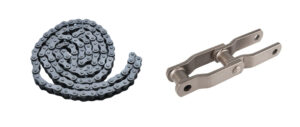
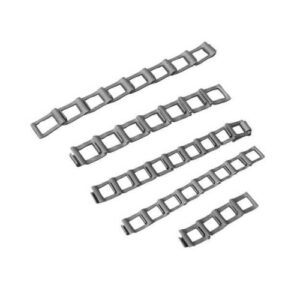
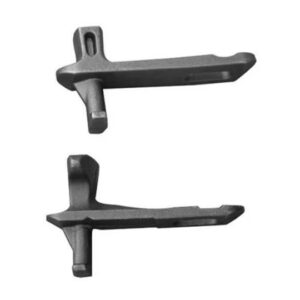
In the engineering industry, chains are used in conveyor systems and drive systems. They are made with pin joints and links that provide strength and rigidity. They are also able to move sideways and go around curves. These types of chains have been around since the 1880s. They are made from hot-rolled steel and are sometimes heat-treated for added strength. They are used in conveyors, bucket elevators, and oil drilling machines. They must be able to withstand the power produced by the prime mover.
Engineering Chain Features
The engineering chain is a measuring tool to measure distances accurately. It is comprised of links that are connected at right angles. Typically, the chain length is five, ten, twenty, or thirty meters. Links are spaced one foot apart, and each link measures 7.92 inches. These chains are also equipped with brass rings or tallies that mark one metre intervals. This makes it easier to determine the total length.
There are two types of engineering steel chains: those designed for lifting and those designed for conveying. A lifting chain needs to be capable of withstanding high tensile stresses, and it must be ductile and resilient enough to withstand fatigue. Most engineering steel chains are used in conveyor applications, while others are used in drives. You can find engineering steel chains in conveyors, forklifts, bucket elevators, oil drilling machines, and more. These chains must be able to withstand the power generated by the prime mover.
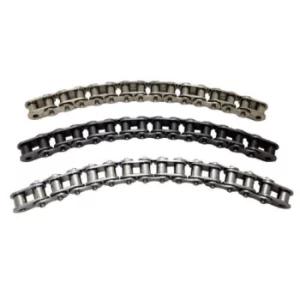
SB Series Side Bow Chains 40SB 43SB 50SB 60SB 63SB 80SB
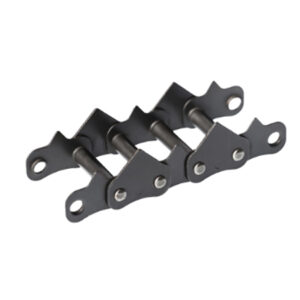
A side bow chain is a type of roller chain with an unusual shape that allows for accentuated lateral bending. These chains are commonly used in power transmission systems and in conveyors with curvilinear motions. They are made with special pins and bushings to minimize the possibility of misalignment. Side bow chains are similar to roller chains except they don’t have a joint between the pin and bush. This feature allows for partial articulation of the chain in the horizontal plane.
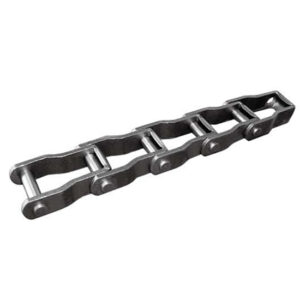


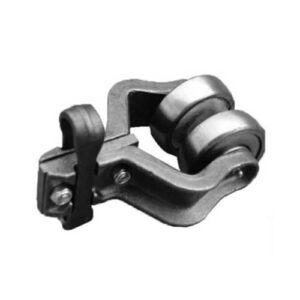
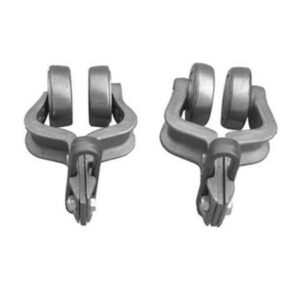
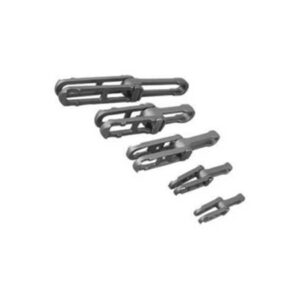
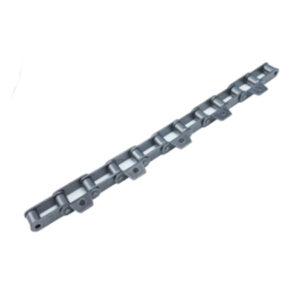
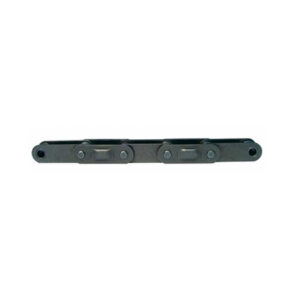
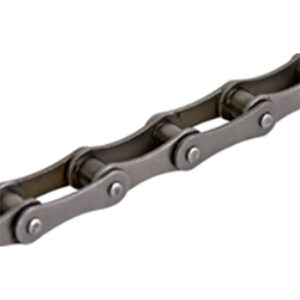
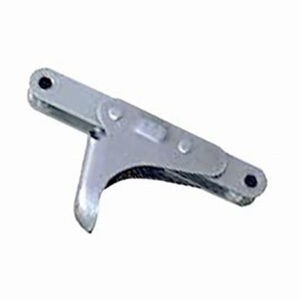
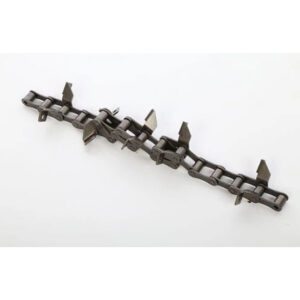
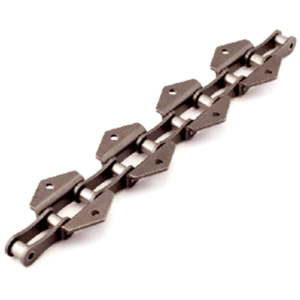
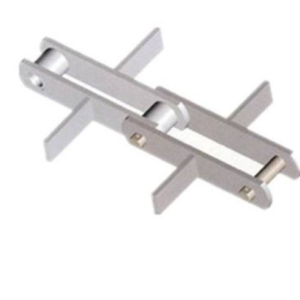
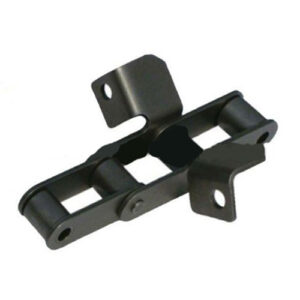
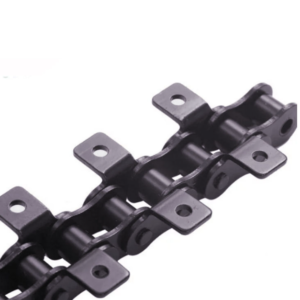
Roller Chains VS Engineering Chains
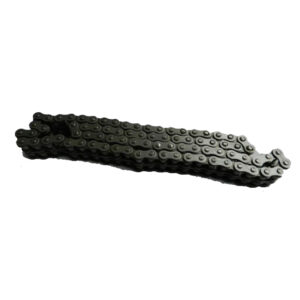
In general, engineered chains are somewhat distinct from roller chains. Roller chains are generally utilized for power transmission, while engineered chains are utilized for handling materials. There are some differences in structure between the two kinds of chains, which is why it is essential to make sure that you choose the right chain to meet your needs. Rollers are not typically required in material handling chains, however, they are an essential component of the power transmission chain. If you’re using roller chains, you can expect high-speed operation is more secure, and engineered chains are more robust, durable and last longer because they have a smaller distance between the sprockets.